• Home
  • Dogs
  • Wild
  • Cats
  • Animal Cloning
  • Horse
  • Pets in General
    • Pet Owners And How Their Health Affects Their Pets
  • Animal Hybrids
  • Pet Insurance
  • Dog Obedience Training
  • Birds
  • Vet Jobs Function And Salaries
  • Extinct Animals
  • Funny Animals
  • Create Your Own Pet Blog
  • Ebooks
  • Cute Dog Pictures
  • Comments
Dogs and Cats Pet Care and Advice plus Wild Animals.

Types of Allergies in Dogs

5/17/2015

0 Comments

 
It is suggested that if you are looking for permanent relief for dog allergies symptoms you need to go see a veterinary dermatologist. Here you can find the cause for sneezing in dogs, general allergies in dogs and most of your dog skin problems.

People medicines such as Benadryl and Claritin will only provide temporary relief of the signs and your dog will still be uncomfortable. In some cases the dermatologist may be able to make up allergy shots if they find out the cause of your dogs allergies. You should not make any diet changes or treat your pet with any medication without strict guidance from a veterinarian.

Changing the dog's diet without the guidance from a veterinarian can make it more difficult for them to isolate the cause of the allergies. It's entirely possible that the causes may involve specific foods. This requires an extensive food trial. However it could be environmental agents that are causing your dog allergies symptoms which would require further allergy testing.

On your own you could try hydroxizine or atarax for some relief. Do Not use prednisone, it is not the greatest it's a steroid and have several side effects. You can also try eliminating the normal protein source with another protein like fish or venison. It takes up to 2 to 3 months of a diet change to tell if there is any effect.

Allergic contact dermatitis usually shows up in dogs as a hypersensitivity reaction to particular molecules in your pet's environment. Irritant contact dermatitis happens when the skin is exposed to noxious substances in the environment. The symptoms and biologic mechanisms in these two disease structures are closely similar and are often discussed together.

Allergic contact dermatitis is a rare disease, which occurs when an animal's skin overreacts to certain small molecules in the environment. Substances, which can cause allergic contact dermatitis in dogs include some antibiotics applied to the skin, metals such as nickel, materials like rubber or wool and chemicals such as dyes and carpet deodorizers. Irritant contact dermatitis occurs when the dogs skin is exposed to intensely irritating chemicals like the sap in poison ivy or road salt.

What are the symptoms of allergic and irritant contact dermatitis?

Lesions occur on the areas of skin that are sparsely haired and exposed to the offending cause. Areas like the back of the paws, abdomen, muzzle, and lips.

The affected areas are usually very red, have small bumps or blister-like lesions, and itch like crazy. Also in irritant contact dermatitis may occur.

The key to managing these dog allergies symptoms is the obvious removing or restricting of exposure to any allergen or contact irritant in the pet's environment. If your not able to do this, then using fatty acids, antihistamines, biotin, and topical shampoos can at least control the itching.

As a rule, for any pet suspected of having an allergy problem that could include an allergic contact component, we recommend:

  • Glass or stainless steel food and water bowls, cleaned and rinsed well daily
  • Hypoallergenic detergents for the pet's bedding
  • Routine hypoallergenic shampoos for the pet to remove any allergens
  • Restricting walking to sidewalks or paved surfaces-completely avoiding the grass, if possible.
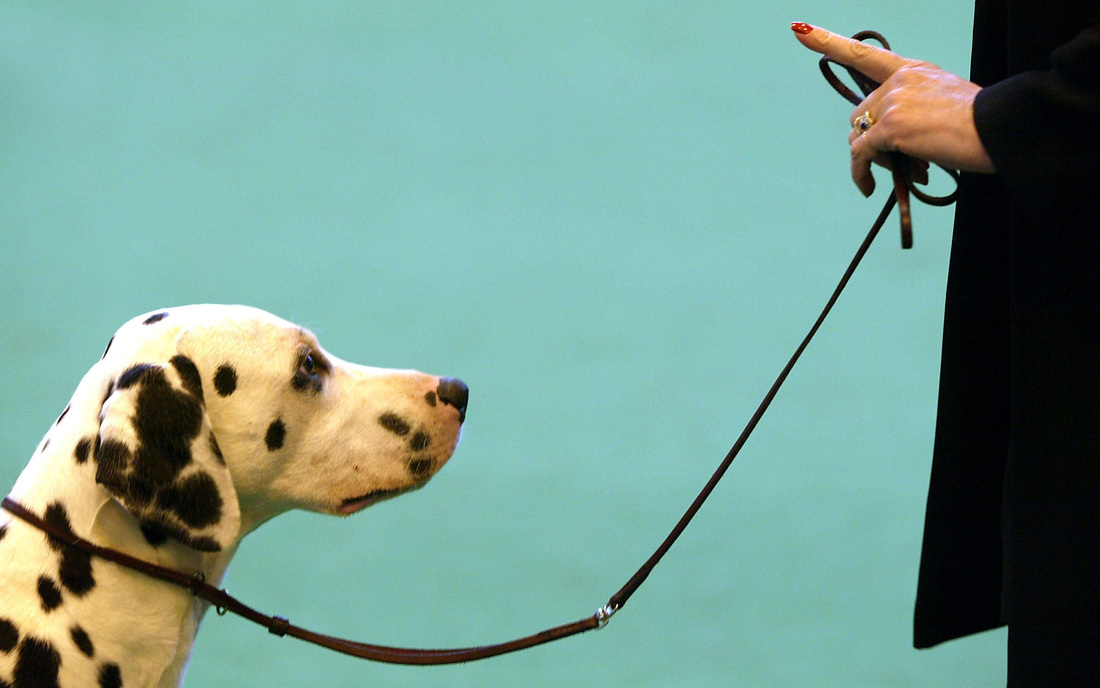

0 Comments

Simple Dog Commands You Can Teach

5/15/2015

4 Comments

 
Picture

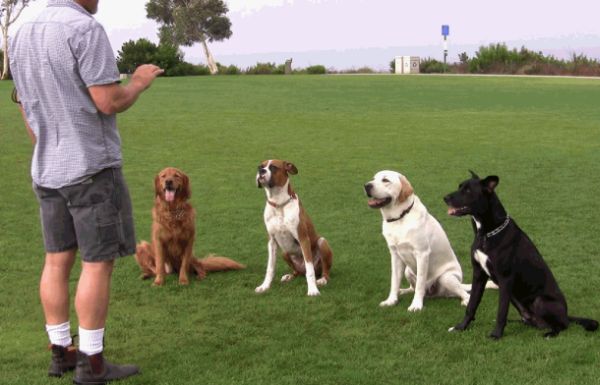
It's really nice to have a pet dog running around with all day, pooping up the place, chowing down on his favorite pet food and taking a bite every now and then from your favorite bed slippers. It would also be nice if you could train that dog to respond to simple dog commands that will disallow him chewing on those bunny rabbit slippers.  There are a lot of different simple or easy commands and tricks you can teach little Spaz or big Bill. These simple commands will help you as the dog owner to communicate with your pet on a regular basis. Not only will these simple commands help you to communicate with your Dog, you may just end up having a better behaving dog after. So let's look at some simple dog commands you can practice with your pet dog.


Simplest Commands To Train Your Dog With


1. SIT. The sit command is a must to be taught by every dog owner to his/her dog. The sit command will help your dog to react calmer in certain circumstances. Let's look at some ways in which the "sit command" can improve your dogs unwanted behavior. Dogs will be dogs and will exhibit natural doggy behavior such as rushing to the food bowl and chowing down even before you even put the plate down. You can teach him the sit command so he waits until his meal is completely available before he dashes to it.  We all love when our dogs show us affection, some will pounce on us, some lick our faces and some simple just come and cuddles with us, but if you have a constant pouncing dog you can train him with the sit command to reduce his pouncing.

Saying the word sit to your Dog is one thing, but how does he know what sit means? All in his mind you could be saying that the moon his on his head! So to execute this command you will have to put words into motion. Lets look simple methods to teach your dog the sit command.

A. Commanding voice

  • When you are giving the animal a command, let it sound like a command, not like a you are asking the animal a question.  Correct way in executing the command; Sit! Incorrect way Sit? Even though you are executing a command, ensure that you do not shout at the animal, instead use mild authoritative tones. You don't want to frighten the animal or let him become scared, you just want to teach him a command.

B.Demonstration
  • You can not just say sit and expect the dog to sit, you have to show him what sit means. This means that each time you execute the command, you have to place his butt on the floor by gently pushing down on his rear end. You will also have to be apart of this command process, meaning that when you say "SIT" you will have to demonstrate by also sitting. when demonstrating the sit command do not sit in a chair, instead place your own butt on the floor. Remember that every command takes time so you will have to be patient. You dog will catch on soon.


2. STAY
- This is a must command to train you dog to respond to. The "Stay Command" has numerous advantages when taught to your dog, one of which is that it may keep your dog out of danger and it could also keep your dog from putting another dog  or person in danger.  The stay command can be quite useful if you have visitors and  you don't want you dog mingling with those persons for any reason at all.  So just like the "SIT Command", the  "Stay Command" Will take a lot of patience and time to be taught.  So lets look at how we teach this command to our dog.

A.  Demonstration
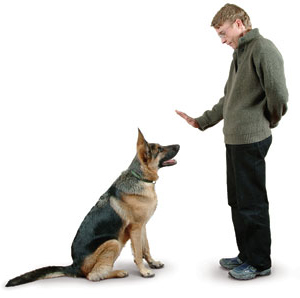
  • Say the words with authority to your pet, "Stay!" While you are telling him to stay, place you hand in front of you with your palm facing the dog and make a stop signal. Don't say the word stop, just exhibit a stop signal while saying the word  command "Stay". If the animal continues to come to you, walk up to the animal and stop him/her right there while saying the command "stay". This is a repeated process and your dog will catch on soon.


3. Come. May be one of the easiest command to teach your dog. Somehow i believe that many dogs already have this command built in.  So how useful is this command once taught properly? Very useful. Lets look at this scenario.  You may be out walking  with your Dog in the country area and stumble upon a very poisonous snake.  Most dogs will eventually bark and annoy the snake which then turns defensive and then offensive.  Most likely the snake will try to strike at the animal. The "Come command will immediately take that dog out of danger once executed properly.

A. Demonstration
  • When you are teaching the come command to your dog, you must practice demonstrations.  Tell you dog to "Come" While saying the command use you hand to demonstrate the command. Some dog trainers will clap to get the dogs attention and then use the hands to demonstrate a come to me gesture.

4. LEAVE IT.  This command is quite self explanatory. This command will teach your dog not to pick up or touch things he is not allowed to pick up, touch or things which may be dangerous to him. Dogs are explorers and inquisitive with their surroundings. They all try to pick , chew on or play with just about anything that allows picking up or chewing on. You don't want your dog picking up something that he may choke on or even poisonous. The "Leave It" Command is a must for basic dog commands.

A. Demonstration.
  • Have some pieces of paper crushed and place them at strategic points. Place  a couple balls in the yard that is not a part of the Dogs toys. Place the leash on your dog and then walk him along the areas that you placed the objects. Notice his reaction keenly when he sees these objects, if it gets his attention and he goes for it, execute the command leave it while gently pulling him away from the object. Do this until you feel comfortable that he understands the command. Remove the leash and do the exercise again and log your results.


Rewarding is Good
They say that encouragement sweetens labor. So if your dog does well in following your command you can reward him with a little treat, pat his head and tell him he is a good boy. You must remember that not all dogs are of the same temperament and some will grasp the commands easier than others. Don't give up on training your dog with these simple basic commands. They will eventually get it and you would have become a proud dog trainer.
4 Comments

How To Remove Tick From A Dog

5/8/2015

2 Comments

 
There may be cases where you are sieving through your Dog's Coat and spot a one or two tick. This could be that the tick has just attached itself and have not began to lay any eggs yet. Instead of rushing out to go by a gallon dog flea and tick remover, you can simply remove the tick yourself and then monitor the animal for any infestations. So removing the Dog tick is fairly simple but delicate. Here are the basic steps in simple tick removal from your dog.


Dog Tick Removal
Tick
Items needed to remove tick

Tweezers

  • A tweezers is one tools you can use to remove ticks that is latched to the Dog's skin. The tweezers is able to actually grip the tick at the right area for easy removal. Other than a tweezers, you can actually purchase a tick remover tool.

Cloth with mild rubbing alcohol

  • Once you remove the tick, you want to ensure that the area you removed the tick from is now germ free. pour less than a quarter bottle of rubbing alcohol into a bottle and add about half cups of water. This mix will not burn the skin of your pet and will help to kill any germ left by the tick.

Dog Tick Removal
Tick On Dog
Step 1.
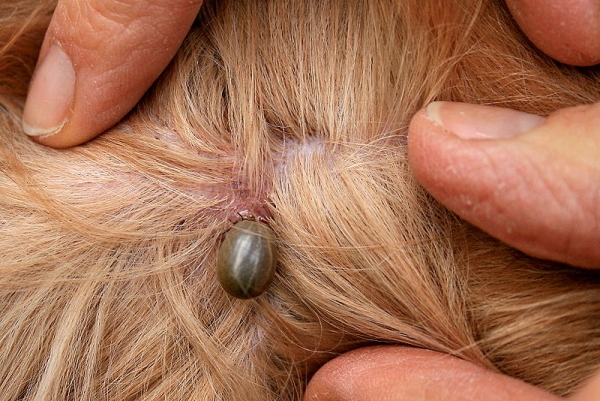
Use your fingers to create a clear path so that you can easily see the tick and that you don't accidentally pick out the Dog's fur when removing the tick

Picture
Removing Dog Tick
Step 2
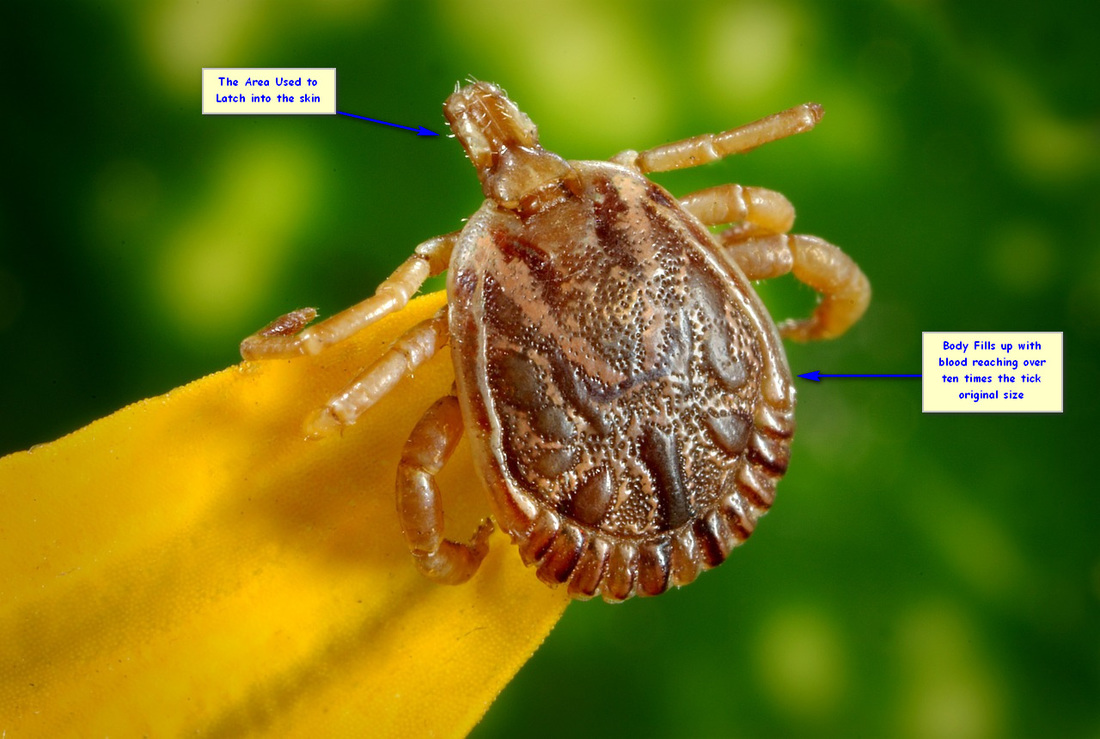
Get your tweezers and use the tip of the tweezers to hold the head of the tick. If the tick has been feeding, his body will be swollen with blood suck from your dog. Do not try and remove the tick by gripping and pulling on the blood filled body as this will cause the tick body to burst and spilling of the blood.

Step 3
Gently Pull with an upward movement. and the tick should be pulled off. If the tick got broken during the pull. Do not leave any portion of the dead tick on the animal as this may cause infections or Lyme disease.

Step 4
Use the cloth with the diluted medicated alcohol to wipe the area where the tick was attached. Your dog is now tick free and should be wagging his tail in appreciation.


If you are unable to use the tweezers properly or don't have a tweezers, there are other products available to easily remove ticks from dogs.  The Tick Key is one of my favorites as i never loose it or forget where it is placed as it is attached to something important.....my house key!
2 Comments
Forward>>

    RSS Feed

    Funny Dog Adventure short Story

    RSS Feed Widget


    Categories

    All
    Dog Behavior
    Dog Breeds Terrier
    Dog Care
    Dog Food
    Funny
    Health
    Need To Know
    Puppies

    Archives

    June 2020
    May 2020
    April 2020
    March 2020
    February 2020
    January 2020
    December 2019
    November 2019
    October 2019
    July 2019
    June 2019
    May 2019
    April 2019
    March 2019
    February 2019
    January 2019
    December 2018
    November 2018
    October 2018
    September 2018
    August 2018
    July 2018
    June 2018
    May 2018
    April 2018
    March 2018
    February 2018
    January 2018
    December 2017
    November 2017
    October 2017
    September 2017
    August 2017
    July 2017
    June 2017
    May 2017
    April 2017
    March 2017
    February 2017
    January 2017
    December 2016
    November 2016
    October 2016
    September 2016
    August 2016
    July 2016
    June 2016
    May 2016
    April 2016
    March 2016
    February 2016
    January 2016
    December 2015
    November 2015
    October 2015
    September 2015
    August 2015
    July 2015
    June 2015
    May 2015
    April 2015

www.dogcatplace.com
Blog Author

    Get The Latest and Cool Pets and animal Info Right In Your Mailbox

Subscribe to Newsletter
Clive Williams is an Animal Enthusiast and the father of two dogs, Nica and Venom.
  • Home
  • Dogs
  • Wild
  • Cats
  • Animal Cloning
  • Horse
  • Pets in General
    • Pet Owners And How Their Health Affects Their Pets
  • Animal Hybrids
  • Pet Insurance
  • Dog Obedience Training
  • Birds
  • Vet Jobs Function And Salaries
  • Extinct Animals
  • Funny Animals
  • Create Your Own Pet Blog
  • Ebooks
  • Cute Dog Pictures
  • Comments